The European Parliament supported the EU's plan to abandon Russian gas — when will it happen?
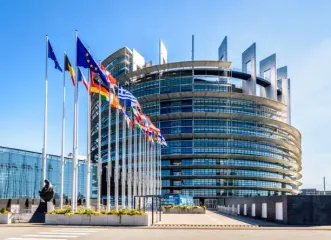
EU refuses Russian gas — decision of the European Parliament
The plan to stop importing Russian gas was voted for by 500 MEPs, with 120 voting against and 32 abstaining. The plan now needs to be formally approved by the EU Council before it can enter into force.
It is expected to be approved in early 2026.
Under the plan, Russian liquefied natural gas (LNG) will be banned in the EU in early 2026 after the law comes into force. Instead, imports of pipeline gas will be phased out by September 30, 2027.
The new law also sets out the fines that Member States will apply to operators for infringements.
During negotiations with the Danish presidency of the Council of the EU, MEPs insisted on a ban on all imports of Russian oil. The European Commission has committed to presenting legislation on this issue in early 2026 so that the ban on Russian oil imports can enter into force as soon as possible, but no later than the end of 2027.
MEPs also insisted on the approval of stricter conditions under which the import ban could be temporarily suspended in emergency situations related to the EU's energy security.
To eliminate loopholes and reduce the risk of circumvention, operators will be required to provide customs authorities with stricter and more detailed evidence of the country of origin of their gas before it is imported or stored.
On December 10, European Union ambassadors agreed on a plan to gradually stop importing Russian gas by the end of 2027. The EU assured that they would not return to energy supplies from Russia even after the war ends.
Latest news



 more news