Four military-style drones target Zelenskyy's flight path in Dublin
global.espreso.tv
Thu, 04 Dec 2025 21:14:00 +0200

The Journal reported the information.The incident unfolded around 11 p.m. as Zelenskyy's aircraft was approaching Dublin Airport. The drones, which took off from somewhere in northeast Dublin—possibly near Howth or from an undetected vessel—reached the precise location where the Ukrainian leader's plane was scheduled to pass at that moment. Fortunately, the aircraft had landed slightly ahead of schedule, narrowly avoiding the breach.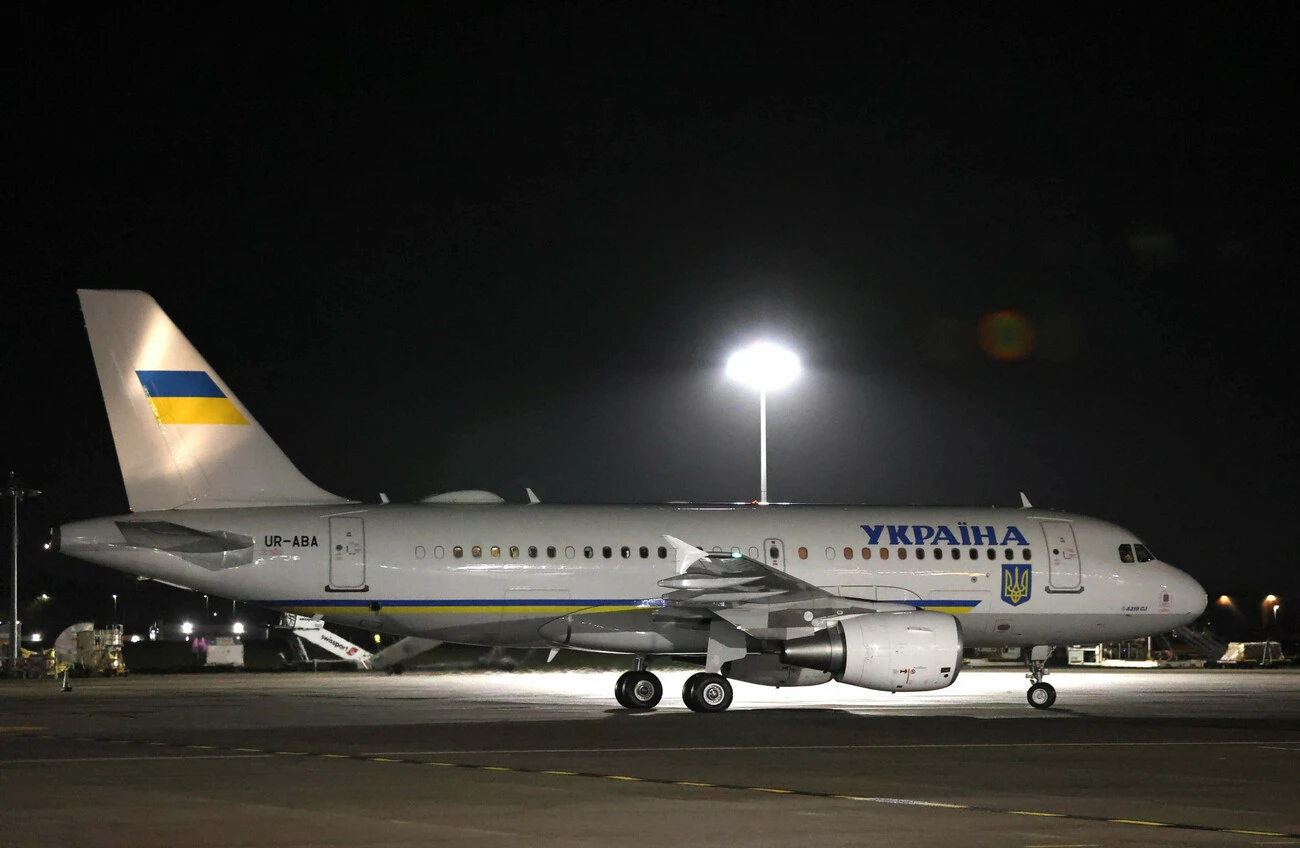 The aircraft that carried Ukrainian President Volodymyr Zelenskyy shortly after it landed in Dublin Airport, photo: Alamy Stock PhotoAfter missing their apparent target, the drones redirected their focus to an Irish Navy vessel, the LÉ William Butler Yeats, which had been secretly deployed in the Irish Sea to provide security for the high-profile visit. The unmanned aircraft, believed to be quadcopters, hovered above the ship for some time, operating within Ireland's 12 nautical mile territorial waters.Irish authorities have described the drones as large, expensive, and military-specification. The fact that they had their lights on has led investigators to believe the operation was designed to disrupt the presidential arrival. Security sources say the drones operated independently of each other, suggesting four separate pilots were controlling them.Irish forces faced significant limitations in responding to the threat. The naval vessel lacked the capability to disable the drones, and handheld equipment purchased by the Garda—Ireland's national police service—was out of range. Officials made the decision not to attempt shooting down the aircraft. An Irish Air Corps plane patrolling the area at the time did not engage.Garda Commissioner Justin Kelly was notified of the breach in the early hours of Tuesday morning, with the Taoiseach and the Ministers for Justice and Defence also briefed shortly after. It remains unclear whether Ukrainian officials were informed of the incident.The Irish Aviation Authority had imposed a drone no-fly zone over Dublin and surrounding areas for the duration of Zelenskyy's visit. Despite the breach, the Ukrainian president's visit proceeded as planned, though his departure from Dublin Airport employed specialized takeoff procedures to minimize exposure to potential drone threats.Irish security officials have classified the incident as a possible hybrid attack—a tactic that uses military and non-military methods such as drone incursions, cyber operations, and sabotage to destabilize opponents without formal warfare. Such operations are typically conducted by state-level intelligence and military services.The Dublin incident mirrors recent drone disruptions across Europe. Brussels Airport was forced to close after a drone swarm appeared in the area, while Denmark experienced similar issues in September. Dutch military forces have also fired on drones in separate incidents.Investigators are still working to determine who launched and controlled the drones, and their current location remains unknown. Questions persist about whether the aircraft took off from Irish soil or from a ship that evaded detection in the Irish Sea.When contacted for comment, the Defence Forces stated that for "operational security reasons" they could not discuss specifics of alleged incidents, but confirmed that their support to the security operation "was successfully deployed in multiple means, ultimately leading to a safe and successful visit by the President Zelensky to Ireland."A spokesman for An Garda Síochána declined to comment on the specific incident, stating that matters occurring in Irish waters fall under Defence Forces jurisdiction. The Department of Defence, the Irish Aviation Authority, and the Departments of Foreign Affairs and Justice all declined to provide statements.The incident has raised serious questions about Ireland's security preparedness, coming just weeks after concerns were revealed about the country's defense capabilities ahead of its EU Presidency next year.
The aircraft that carried Ukrainian President Volodymyr Zelenskyy shortly after it landed in Dublin Airport, photo: Alamy Stock PhotoAfter missing their apparent target, the drones redirected their focus to an Irish Navy vessel, the LÉ William Butler Yeats, which had been secretly deployed in the Irish Sea to provide security for the high-profile visit. The unmanned aircraft, believed to be quadcopters, hovered above the ship for some time, operating within Ireland's 12 nautical mile territorial waters.Irish authorities have described the drones as large, expensive, and military-specification. The fact that they had their lights on has led investigators to believe the operation was designed to disrupt the presidential arrival. Security sources say the drones operated independently of each other, suggesting four separate pilots were controlling them.Irish forces faced significant limitations in responding to the threat. The naval vessel lacked the capability to disable the drones, and handheld equipment purchased by the Garda—Ireland's national police service—was out of range. Officials made the decision not to attempt shooting down the aircraft. An Irish Air Corps plane patrolling the area at the time did not engage.Garda Commissioner Justin Kelly was notified of the breach in the early hours of Tuesday morning, with the Taoiseach and the Ministers for Justice and Defence also briefed shortly after. It remains unclear whether Ukrainian officials were informed of the incident.The Irish Aviation Authority had imposed a drone no-fly zone over Dublin and surrounding areas for the duration of Zelenskyy's visit. Despite the breach, the Ukrainian president's visit proceeded as planned, though his departure from Dublin Airport employed specialized takeoff procedures to minimize exposure to potential drone threats.Irish security officials have classified the incident as a possible hybrid attack—a tactic that uses military and non-military methods such as drone incursions, cyber operations, and sabotage to destabilize opponents without formal warfare. Such operations are typically conducted by state-level intelligence and military services.The Dublin incident mirrors recent drone disruptions across Europe. Brussels Airport was forced to close after a drone swarm appeared in the area, while Denmark experienced similar issues in September. Dutch military forces have also fired on drones in separate incidents.Investigators are still working to determine who launched and controlled the drones, and their current location remains unknown. Questions persist about whether the aircraft took off from Irish soil or from a ship that evaded detection in the Irish Sea.When contacted for comment, the Defence Forces stated that for "operational security reasons" they could not discuss specifics of alleged incidents, but confirmed that their support to the security operation "was successfully deployed in multiple means, ultimately leading to a safe and successful visit by the President Zelensky to Ireland."A spokesman for An Garda Síochána declined to comment on the specific incident, stating that matters occurring in Irish waters fall under Defence Forces jurisdiction. The Department of Defence, the Irish Aviation Authority, and the Departments of Foreign Affairs and Justice all declined to provide statements.The incident has raised serious questions about Ireland's security preparedness, coming just weeks after concerns were revealed about the country's defense capabilities ahead of its EU Presidency next year.Latest news


 more news